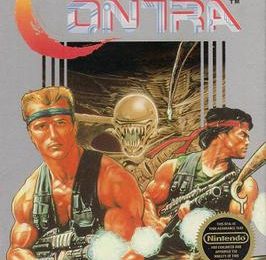
Contra is a run and gun video game developed and published by Konami, originally released as a coin-operated arcade game on February 20, 1987. A home version was released for the Nintendo Entertainment System in 1988, along with ports for various computer formats, including the MSX2. The home versions were localized in the PAL region as Gryzor on the various computer formats and as Probotector on the NES, released later. Several Contra sequels were produced following the original game.
Author: matkach
The King of Fighters ’98 – The Slugfest
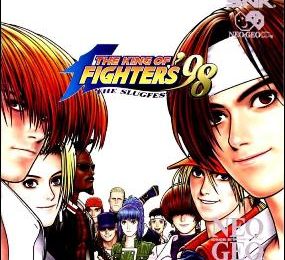
The King of Fighters ’98: The Slugfest, known in Japan as The King of Fighters ’98: Dream Match Never Ends, is a fighting game released by SNK for the Neo Geo arcade and home consoles in 1998. It is the fifth game in The King of Fighters series. It was advertised by SNK as a “special edition” of the series, as it featured most of the characters who appeared in the previous games (from KOF ’94 to ’97).
KOF ’98 was ported to the Neo-Geo CD in 1998 and for the PlayStation in Japan in 1999. A Dreamcast version titled The King of Fighters: Dream Match 1999 was released in 1999, which featured much of the background remade in 3D. The game was also remade for the PlayStation 2 as The King of Fighters ’98: Ultimate Match, which expanded the number of playable characters.
Super Mario World
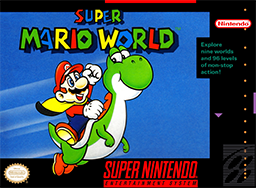
Super Mario World is a 1990 platform game developed and published by Nintendo for the Super Nintendo Entertainment System (SNES). The story follows Mario‘s quest to save Princess Toadstool and Dinosaur Land from the series antagonist Bowser and his minions, the Koopalings. The gameplay is similar to that of earlier Super Mario games: Players control Mario or his brother Luigi through a series of levels in which the goal is to reach the flagpole at the end. Super Mario World introduced Yoshi, a dinosaur who can eat enemies and gain abilities by eating the shells of Koopa Troopas.
Nintendo Entertainment Analysis & Development developed the game, led by director Takashi Tezuka and producer and series creator Shigeru Miyamoto. It is the first Mario game for the SNES and was designed to make the most of the console’s technical features. The development team had more freedom compared to the series installments for the Nintendo Entertainment System (NES). Yoshi was conceptualised during the development of the NES games but was not used until Super Mario World due to hardware limitations.
Super Mario World is often considered one of the greatest video games of all time. It sold over 20 million copies worldwide, making it the best-selling SNES game. It also led to an animated television series of the same name and a prequel, Yoshi’s Island, released in August and October 1995. It has been re-released on multiple occasions: It was part of the 1994 compilation Super Mario All-Stars + Super Mario World for the SNES and was re-released for the Game Boy Advance as Super Mario World: Super Mario Advance 2 in 2001, on the Virtual Console for the Wii, Wii U, and New Nintendo 3DS consoles, and as part of the Super NES Classic Edition. It was also released on the Nintendo Switch through Nintendo Switch Online using the Super Nintendo Entertainment System app. It is also a course style in Super Mario Maker, and Super Mario Maker 2.
Samurai Shodown IV – Amakusa’s Revenge
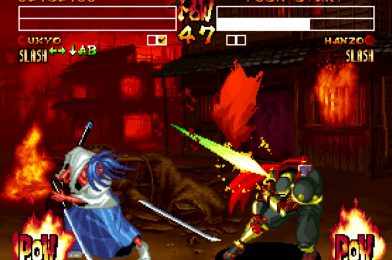
Samurai Shodown IV: Amakusa’s Revenge is the fourth in SNK‘s flagship Samurai Shodown series of fighting games. Chronologically, it is the second and final chapter of a story between Samurai Shodown and Samurai Shodown II, with Samurai Shodown III being the first chapter.
Pang
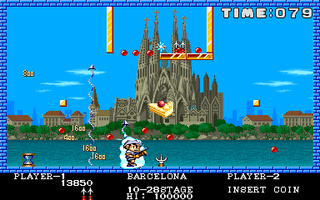
Pang (パン, Pan), also known as Pomping World (Japanese: ポンピング・ワールド, Hepburn: Ponpingu Wārudo), is a cooperative two-player arcade video game released in 1989 by the Mitchell Corporation. The North American release from Capcom was titled Buster Bros.. It was the tenth game released for the CP System hardware.
Super Mario Bros. 3
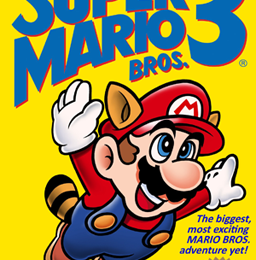
Super Mario Bros. 3 is a platform game developed and published by Nintendo for the Nintendo Entertainment System (NES). It was released in Japan on October 23, 1988, in North America on February 12, 1990, and Europe on August 29, 1991. It was developed by Nintendo Entertainment Analysis and Development, led by Shigeru Miyamoto and Takashi Tezuka.
Command & Conquer
Command & Conquer, also known as Command & Conquer: Tiberian Dawn, is a 1995 real-time strategy video game developed by Westwood Studios and published by Virgin Interactive. Set in an alternate history, the game tells the story of a world war between two globalized factions: the Global Defense Initiative of the United Nations and a cult-like militant organization called the Brotherhood of Nod, led by the mysterious Kane. The groups compete for control of Tiberium, a mysterious substance that slowly spreads across the world.
StarCraft 64
StarCraft is a 1998 military science fiction real-time strategy game developed and published by Blizzard Entertainment. In 2000, StarCraft 64 was released In North America for the Nintendo 64, co-developed by Blizzard Entertainment and Mass Media Inc. and published by Nintendo. Continue reading “StarCraft 64”
Re-Volt
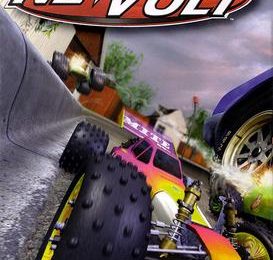
Re-Volt is a racing video game developed by Acclaim Studios London and published by Acclaim Entertainment for Microsoft Windows, Nintendo 64, PlayStation and Dreamcast.
In October 1999 Acclaim Entertainment released the Re-Volt Car Editor which allowed players to export and edit, or create new cars for the PC version using 3D studio. The editor was simply discovered in the Acclaim Studios London office and as such was released as an unapproved and unsupported piece of code.[5]
In early 2000, a sequel titled RC Revenge was announced and later changed to RC Revenge, and was released in August 2000 for the PlayStation, followed by an enhanced port of the game a few months later called RC Revenge Pro for PlayStation 2.
Space Invaders
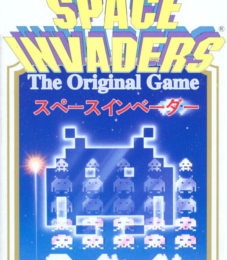
Space Invaders: The Original Game[a] is a 1994 fixed shooter video game developed and published for the Super Famicom in Japan by Taito. Several ports were released for other platforms, including the Sega Saturn and PC Engine CD. The player assumes control of a laser base that must fend off waves of incoming enemies, who march down in formation towards the bottom of the screen. It is the fifth entry in the long-running Space Invaders series, and the second game to be produced for a home platform following the PC Engine remake Fukkatsu no Hi.
The Original Game serves as an updated version of Space Invaders DX, released a year prior for arcades, lacking the “Parody Mode” featured in the latter. The Sega Saturn and PlayStation versions add several new features, such as an arranged soundtrack and a new “Kawaii Mode” featuring more cutesy, cartoonish backdrops. It was produced by Keisuke Kasigawa and composed by Katsuhisa Ishikawa, with Space Invaders creator Tomohiro Nishikado being credited for the original versions. The Original Game was met with a mixed response from critics, most of which felt the game’s price point was too high with its large lack of content. It was followed by Space Invaders ‘95 in 1995.
Tecmo World Cup Super Soccer
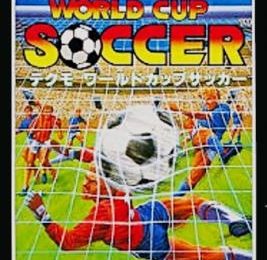
Tecmo World Cup Soccer is a video game for the Nintendo Entertainment System. Released in 1990 by Tecmo, as its name suggests it is a soccer game focusing on the World Cup.
Tecmo World Cup Soccer is not to be confused with Nintendo World Cup of the same year, nor Tecmo Cup Soccer Game released in September 1992, is a port of Tehkan World Cup adapted to the NES hardware. Although the two games appear virtually identical, Tecmo World Cup Soccer lacks some of the speed and fluidity of its arcade progenitor. While the gameplay is ostensibly unchanged, the lack of support for analog control in the NES version renders it a digital-control-only game that requires almost completely different tactics.
Rayman
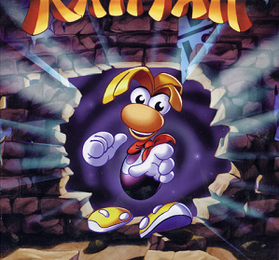
Rayman is a side-scrolling platform video game developed and published by Ubi Soft. As the first installment in the Rayman series, the game follows the adventures of Rayman, a hero who must save his colourful world from the evil Mr. Dark. Originally designed for the Atari Jaguar in 1995, a PlayStation version was developed and released in time for the North American launch of the console on 9 September 1995; and further ports were created for Sega Saturn in 1995 and MS-DOS computers in 1996. The game has appeared in various other formats, including versions for the Game Boy Advance, PlayStation Network, DSiWare, and iOS and Android devices.
The mobile versions of Rayman were removed from digital stores in July 2018. On October 29, 2018, Sony revealed that the game would be one of 20 games pre-loaded on the PlayStation Classic, which was released on December 3, 2018.